How to choose resin correctly for coatings
How to choose resin in coating correctly ?
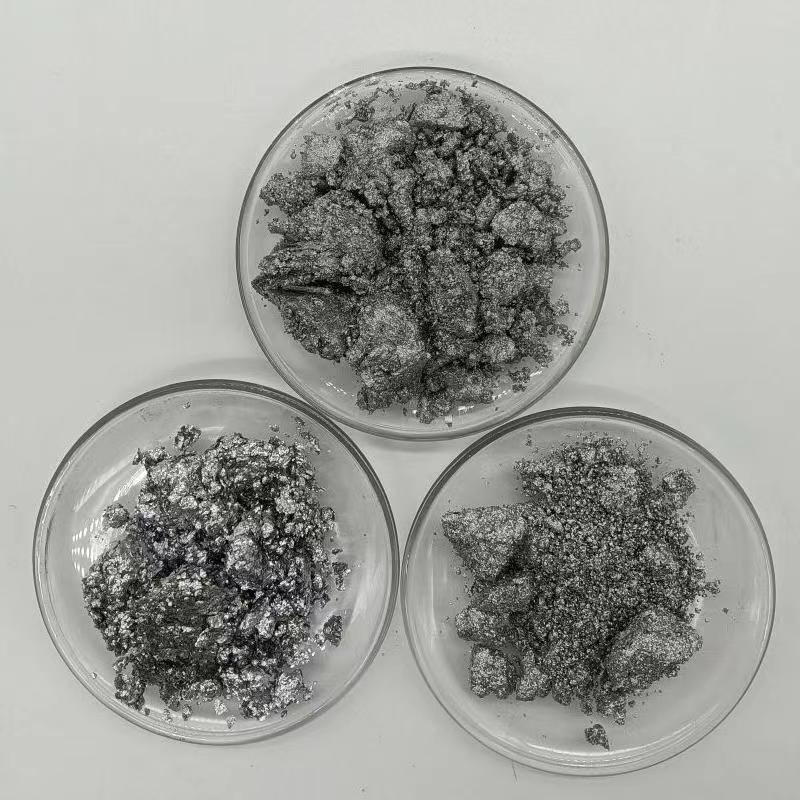
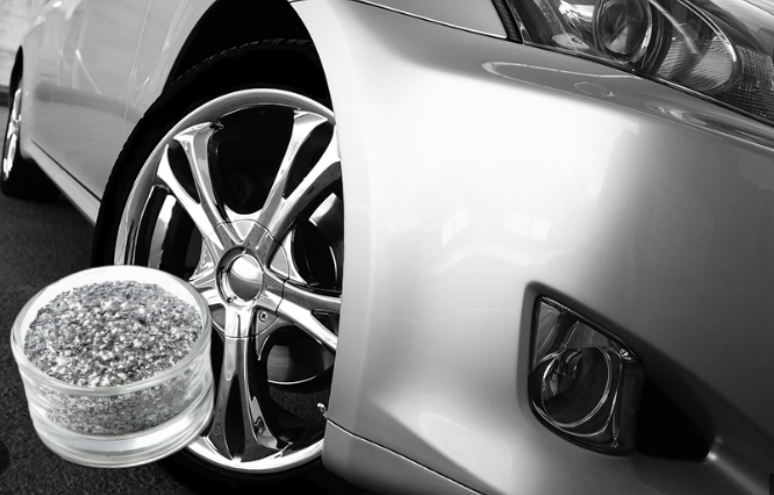
Many people in the paint and thinner manufacturing industry believe that solvents are merely auxiliary materials used to dilute resins and facilitate spraying. However, in actual production, 80% of paint film defects, such as orange peel, whitening, aluminum powder blooming, sagging, and pinholes, stem from incorrect solvent selection.Shan Dong Jiehan Metal Material as manufacturer of Metallic Pigment provide our suggestions .
This is especially true for high-requirement processes like VMP aluminum pigment and silver-painting;
an incorrect solvent combination can render an entire batch of products unusable. Solvent selection should focus on three core dimensions: solubility, evaporation rate, and polarity.
1. Solubility: It means if the solvent could dissolve the resin.
Solubility represents the solvent's ability to dissolve resin. The industry uses the solubility parameter to judge. The closer the solvent and resin parameters are, the better the dissolution effect.
1.1. Strong solubility solvents: Ketones, esters, aromatic hydrocarbons, suitable for most resins on the market.
1.2. Medium solubility solvents: Alcohols, alcohol ethers, more suitable for polar resins such as alkyds and polyurethanes;
1.3. Weak solubility solvents: Aliphatic hydrocarbons (such as 200# solvent oil), used only as thinners, unable to dissolve resins alone.
2. Volatilization rate: determines drying speed and paint film appearance
The industry standard uses butyl acetate (BA) = 1.0 as a benchmark. A higher value indicates a faster evaporation rate, directly affecting the final coating effect:
2.1. Fast Evaporation (ER > 1.0): Acetone, Ethyl Acetate, MIBK. Disadvantages: Excessive evaporation prevents the paint film from leveling properly, easily resulting in orange peel, whitening, and disordered aluminum powder arrangement.
2.2. Medium Evaporation (ER 0.5–1.5): Butyl acetate, Xylene, Toluene, commonly used solvents in coatings.
2.3. Slow Evaporation (ER < 0.5): Cyclohexanone, PMA, Ethylene glycol butyl ether, 200# aromatic solvent oil. Advantages: Extends open time, giving aluminum powder sufficient time for directional arrangement. Disadvantages: Excessive addition leads to slow drying, sagging, dust accumulation, and bubbling.
!!Shan Dong Jiehan Metal Material offer our Important Reminder: VMP Aluminum pigment finishes must be achieved with slow-evaporating solvents; this is crucial for achieving a smooth aluminum powder arrangement.
3. Polarity: Affects Solubility, Water Resistance, and Aluminum Powder Stability
Soluble polarity, ranked from lowest to highest: Aliphatic hydrocarbons < Aromatic hydrocarbons < Esters < Ketones < Alcohols < Alcohol ethers.
Three key functions of polarity:
1. Determines solubility compatibility with different resins;
2. Affects the compatibility of coatings with water (a core reference indicator for water-based paints);
3. Directly controls the erosion of the aluminum powder surface coating; VMP aluminum pigment is extremely sensitive to polarity and solvent corrosivity.
In conclusion:
Solubility determines -how well the resin can be dissolved,
Evaporation rate determines -how quickly the paint dries and how smooth the paint film is,
Polarity determines-the stability of the aluminum powder and its compatibility with water-based coatings.
Welcome to contact if need any Technical support .data given by Shan Dong Jiehan Metal Material Co.,Ltd.