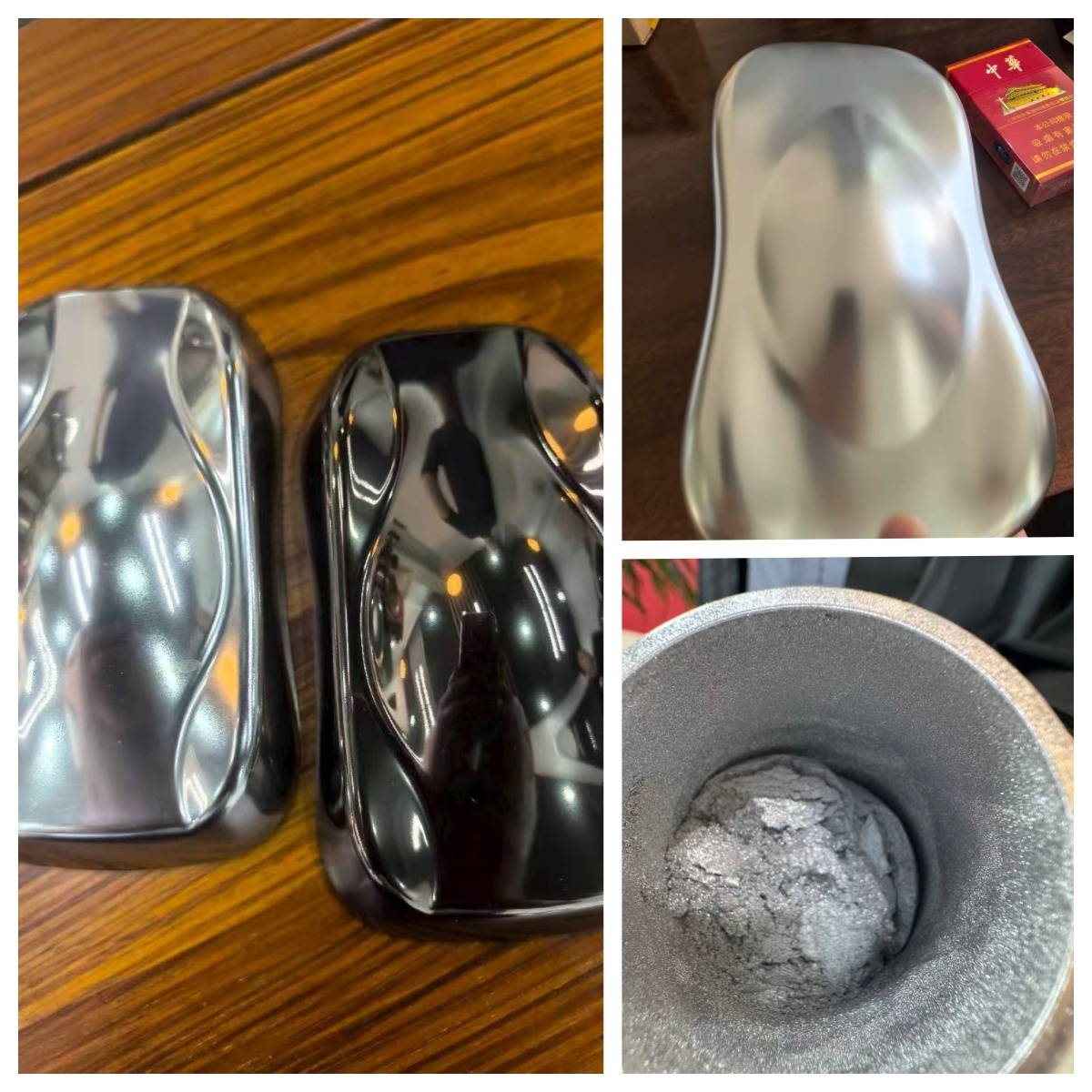
high glossy flake aluminium powder
Aluminum powder consists of fine particles ground from pure aluminum metal. These powders come in various grades, each designed for specific applications in industries such as metallurgy, manufacturing, and the chemical industry. The production process is crucial for the powder's properties, including particle size, shape, and purity.
Types of Aluminum Powder
1. Atomized Aluminum Powder
This powder is produced by atomizing molten aluminum, characterized by spherical particles. It is widely used in additive manufacturing, the production of automotive components, and as fuel for solid rocket propellants.
2. Flake Aluminum Powder
Flake powder is made by grinding aluminum foil, with flat particles that have a larger surface area than atomized powder. They are commonly used in paints, coatings, and cosmetics to impart a metallic luster to products.
Main Characteristics of Aluminum Powder
- Reactivity: Aluminum powder has high reactivity, especially when exposed to air or water, making it suitable for pyrotechnics and thermite reactions.
- Electrical Conductivity: It has the ability to conduct heat and electricity, which is crucial in the production of electronic products and heat sinks.
- Lightweight: The low density of aluminum makes it popular in lightweight structures and energy - efficient automotive components.
Understanding Aluminum Flakes
Although both aluminum flakes and aluminum powder are made from the same metal, there are significant differences between them. Aluminum flakes are flat, irregularly shaped particles produced by mechanically grinding aluminum into thinner layered materials. These flakes are well - suited for applications requiring reflective or conductive properties.
Applications of Aluminum Flakes
1. Coatings and Paints: Aluminum flakes are the preferred material for metallic paints and coatings due to their reflectivity and gloss. They are commonly used in automotive painting to create a smooth and shiny appearance.
2. Cosmetics: The glittering effect of aluminum flakes makes them an ideal raw material for cosmetics such as eyeshadows, lipsticks, and nail polishes.
3. Printing Inks: The high reflectivity of aluminum flakes enhances the effect of packaging printing inks, enabling the creation of eye - catching designs.
Benefits of Aluminum Flakes
- Reflectivity: One of the most significant advantages of aluminum flakes is their ability to reflect light and heat. This property is crucial for manufacturing protective coatings in industrial and consumer product applications.
- Electrical Conductivity: Like aluminum powder, aluminum flakes are excellent conductors of heat and electricity, making them very useful in electronic applications.
Production Processes of Aluminum Powder and Aluminum Flakes
The production methods of aluminum powder and aluminum flakes vary slightly depending on the final desired properties.
Production of Aluminum Powder
The most common methods for preparing aluminum powder include atomization, mechanical grinding, and electrolytic deposition.
- Atomization: In this process, molten aluminum is sprayed into fine droplets and rapidly cooled to form tiny spherical particles. This method can produce powders with high purity, spherical shape, and controllable particle size distribution.
- Mechanical Milling: In some applications, aluminum is mechanically ground into powder. This method can produce powders with irregular shapes, which are well - suited for specific uses such as sintering.
Production of Aluminum Flakes
Aluminum flakes are produced through a ball - milling process, which presses aluminum foil or sheets into thinner particles during long - term grinding. The choice of lubricant and the grinding environment determine the final thickness, size, and shape of the aluminum flakes.
Safety Precautions for Handling Aluminum Powder and Aluminum Flakes
Both aluminum powder and aluminum flakes have high reactivity, posing certain risks.
- Explosion Hazard: Due to its flammability, aluminum powder can easily cause dust explosions when dispersed in the air, so it is classified as a hazardous material. Aluminum powder must be handled in well - ventilated areas equipped with strict dust control systems.
- Fire Risk: Aluminum flakes may also cause fires when exposed to sparks or high temperatures. Therefore, they must be properly stored in a dry and cool place to prevent accidental combustion.
Recommended Safety Measures
- Adequate Ventilation: It is essential to handle aluminum powder and aluminum flakes in well - ventilated areas to minimize the risk of dust particles in the air.
- Protective Equipment: Workers should wear protective clothing, gloves, and goggles when handling these materials.
- Storage: Store aluminum powder and aluminum flakes in sealed containers, away from fire sources, heat sources, and humid environments.